
Table of Contents
What Is BMI?
BMI (Body Mass Index) is a simple calculation using your height and weight to estimate body fat.
It helps determine whether a person is underweight, healthy, overweight or obese.
Formula:
BMI = Weight (kg) / [Height (m)]²
For example, if you weigh 70 kg and are 1.75 meters tall, your BMI = 70 / (1.75 × 1.75) = 22.86, which falls under the “Healthy” category.
Use Our Free Online BMI Calculator
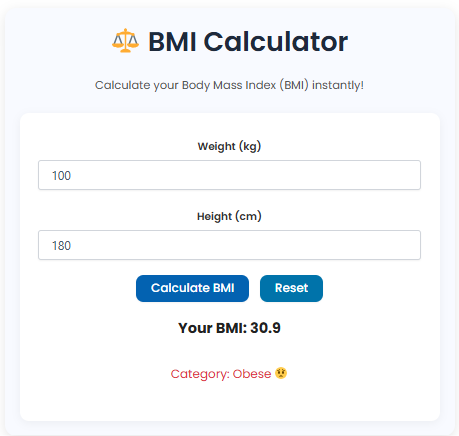
Simply enter your height and weight and get instant BMI results with classification.
No app, no download — 100% browser-based and privacy-friendly.
How to Use BMI Calculator Effectively
- Measure your weight accurately (use a digital scale).
- Record your height without shoes.
- Enter details in the BMI Calculator.
- Review your BMI result and category.
- Use it regularly to monitor progress.
BMI Classification Chart
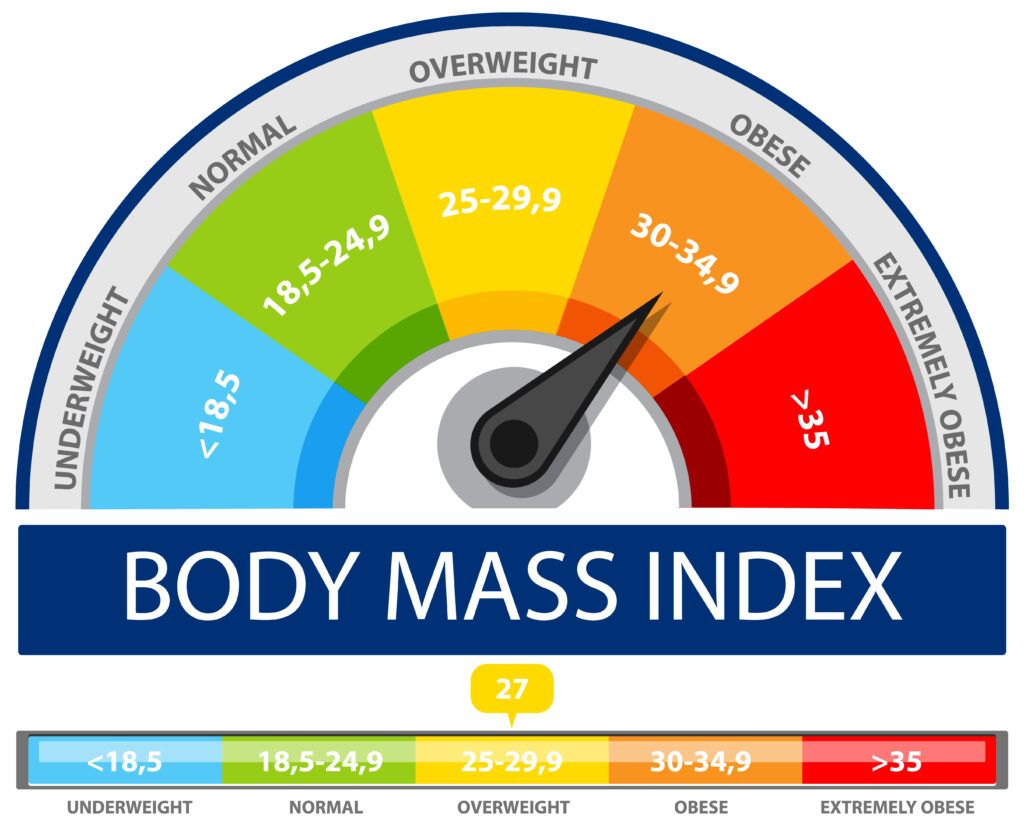
| Category | BMI Range |
|---|---|
| Underweight | Below 18.5 |
| Normal Weight | 18.5 – 24.9 |
| Overweight | 25 – 29.9 |
| Obese | 30 – 34.9 |
| Extremely Obese | 35 and above |
Use our tool to understand where you stand and take action accordingly.
Why BMI Matters
- Quick Health Insight: BMI gives a basic indication of health risk.
- Lifestyle Awareness: It encourages tracking diet and activity.
- Fitness Tracking: Perfect for gym-goers or people in weight loss programs.
- Preventive Health: Helps detect obesity-related risks early.
Factors That Influence Your BMI
While BMI gives a quick insight, several factors can influence it:
- Age: As people age, metabolism slows and fat percentage may increase.
- Gender: Men and women distribute fat differently, women tend to have higher body fat at the same BMI.
- Muscle Mass: Muscular individuals might appear overweight even if their body fat is low.
- Ethnicity: Some ethnic groups have different health risk thresholds for the same BMI.
Keeping these in mind helps you interpret your BMI more accurately rather than relying on it as a standalone indicator.
How to Maintain a Healthy BMI
- Balanced Diet: Include a variety of fruits, vegetables, proteins and whole grains.
- Regular Exercise: Aim for 30 minutes of moderate activity, such as brisk walking or cycling, most days of the week.
- Hydration: Use our Water Intake Tracker to stay adequately hydrated.
- Track Progress: Check your BMI monthly to see improvements and stay motivated.
- Rest & Recovery: Proper sleep helps your metabolism function efficiently.
Maintaining a healthy BMI isn’t about dieting — it’s about sustainable lifestyle choices that balance nutrition, exercise and rest.

Frequently Asked Questions (FAQs)
What is a healthy BMI for adults?
For adults, a BMI between 18.5 and 24.9 is generally considered healthy. However, it may vary slightly depending on age and muscle mass.
Can BMI be inaccurate?
Yes, BMI does not distinguish between muscle and fat. For athletes or people with higher muscle mass, BMI might overestimate fat levels.
What if my BMI is high?
A higher BMI doesn’t always mean unhealthy, but it can signal risks for conditions like heart disease or diabetes. Combine BMI with Heart Rate Zone analysis using our Heart Rate Zone Calculator to understand your cardiovascular fitness better.
How often should I check my BMI?
Once every few weeks is ideal. Daily changes are minimal, but tracking monthly gives a clearer picture of progress.
Beyond BMI: What It Doesn’t Tell You
While BMI is a useful guide, it doesn’t directly measure body fat percentage or muscle mass.
Athletes may have a high BMI due to muscle, not fat.
For a detailed analysis, pair it with other metrics like Heart Rate Zone Calculator, and Water Intake Tracker (see below 👇).
World Health Organization – BMI Info
Conclusion: Track Your Health the Smart Way
Your health journey begins with awareness — and BMI is your first step.
Use our Free BMI Calculator to measure, track, and improve your health daily.
No signup, no ads — just smart, accurate tools from ToolsHub.